Strong, modern infrastructure is an essential part of healthy economies. Without it, commerce becomes inefficient, quality of life deteriorates, and ultimately, jobs and opportunities go elsewhere. But maintaining necessary infrastructure is extremely expensive and government budgets strain to find the resources amidst competing demands for other essentials like education and health care. This is why the Native American tribes are such important partners for the state of Oklahoma to meet its infrastructure needs.
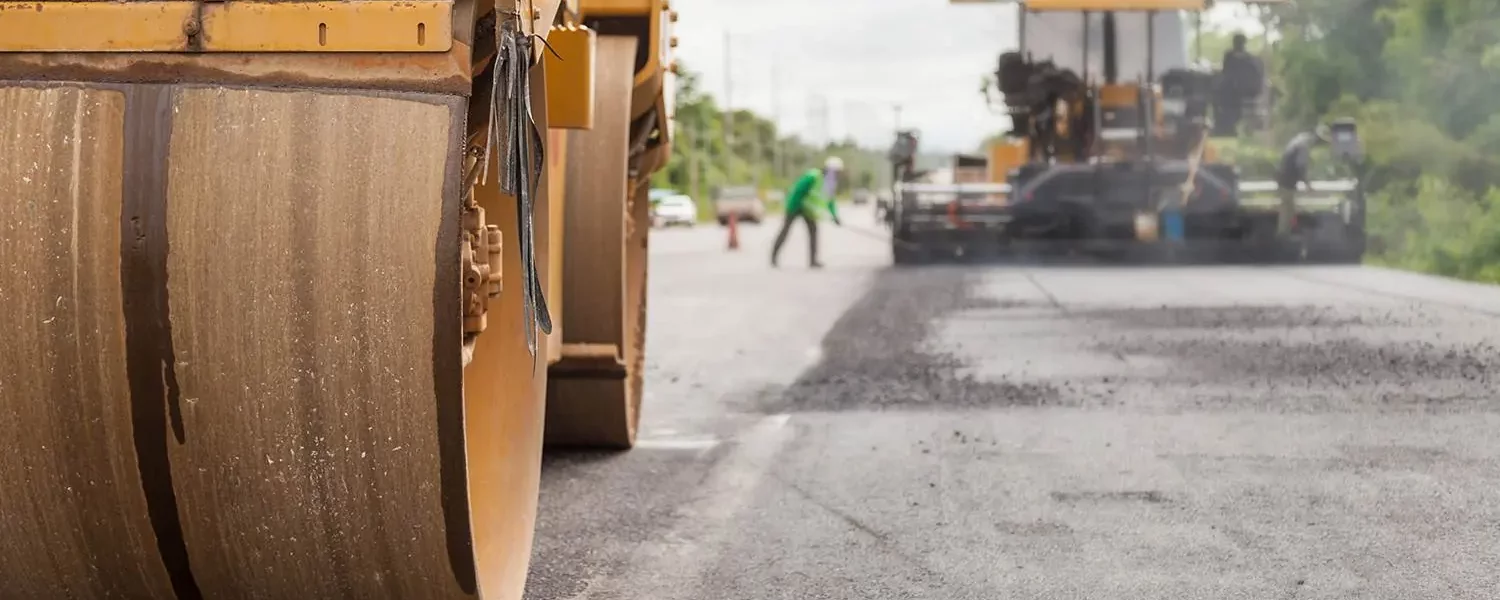
In transportation, Oklahoma tribes are first in the nation in the U.S. Department of Transportation contributions to local roads. Twenty-seven thousand miles, over $200 million contributed to local roads and bridges. This is money that would have to come from taxes and from taxpayers, instead it comes from the tribes and their generosity.
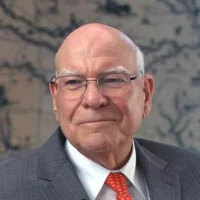
Judge Robert Henry
President,
Oklahoma City University (2010-2018)
Share:
“It’s a Domino Effect”
Partnering with Tribal Nations
“The brick and mortar is what you see,” says former Oklahoma Secretary of Transportation Gary Ridley. “But what you don’t see is the things that are getting taken care of, bad things that never happened.”
The impact of tribal investment is nearly impossible to overstate. “Unlike other corporations that come and go based upon the incentives they have, we’re not going anywhere,” said Cherokee Nation Businesses VP of Government Relations Kim Teehee. “So we invest greatly in infrastructure, on road development, and ensuring the road safety of not just our citizens, but all of Oklahomans.”
In his role as Director of the Oklahoma Department of Transportation (ODOT), Gary Ridley learned first-hand what a difference the tribes make. “It’s a domino effect,” he said. “When you’re able to have a partner that comes to the table with finances, with money to help fix a problem, it enables you to fix not only that problem, but now you have the funds to be able to go fix another problem.”
Broadband and internet access is today and tomorrow’s highway, replacing the asphalt and concrete highways of today. Building a broadband system is necessary.
Geoffrey Standing Bear
Principal Chief,
Osage Nation
Share:
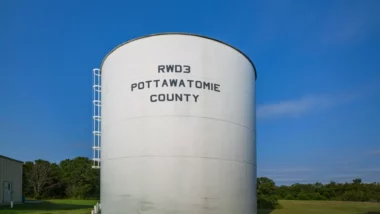
Pottawatomie County Water
One local tribe supplies water to all of the residences and businesses in its county.
Together, the tribes and the state are paving a strong and promising future for Oklahoma’s economy through their productive, mutually beneficial partnership.
“It’s not very often that a government, whether it’s city government, county government, or state government, comes to you with a problem and, oh, by the way, brings some financial assistance in order for you to help solve the problem. Usually it’s just the problem,” said Ridley. “But the tribal governments, it’s how can we help?”
They understand that it’s not just the members of their local government or their tribe that they’re helping, they understand that it’s all of Oklahoma.
Gary Ridley
Secretary
Oklahoma Dept. of Transportation (2009-2017)
Share:
When I think about all that they do, they do that voluntarily. They do it for the better good of their community and for the state of Oklahoma.